Guides
Before you book an industrial tour, ask these planning questions
Industrial tour planning questions for 2027 help U.S. teams define conditions, route limits, visitor needs, operating strategies, staffing, evidence, and decisions.
What to take away
- Six questions cover the bookingthe blocked-route answer, staffing, change terms, access, live production and protective equipment.
- Get the blocked-route answer in writing, with the name of the person who approved it.
- Run a short pilot, then read the answers beside arrival times, route version and group size.
- Give every unanswered question a named owner and a review date.
- Sites differ. Lowell National Historical Park runs textile machinery during tours, while Hershey's Chocolate World is a visitor center beside a plant that stays closed.
Six questions for the site team
Most tour problems are settled during the booking call, not on the morning of the visit. Four questions apply to any industrial site, and two more matter only where machinery runs. Teams still comparing operators can read these answers alongside the guide to choosing industrial tour providers.
Site team questions
- OperationsWhat can change this route?
- CapacityWhere does the group bottleneck?
- AuthorityWho can approve a route change?
- AccessWhat alternatives are available today?
| Topic | Ask this | Use the answer for |
|---|---|---|
| Blocked route | "What is the approved response if the normal path is blocked?" | Gives guides a fallback they can use without asking anyone. |
| Staffing | "Who meets the group at each gate, and who can stop the tour?" | Names one contact and one person with authority to pause. |
| Change terms | "How much notice do you need to change a date, headcount or stop?" | Sets the change window in writing. |
| Access | "Is the whole route step-free, and where does a wheelchair user join and leave?" | Decides whether the group splits or uses a shorter route. |
| Live production | "Which lines are running during our slot, and where do visitors stand?" | Pins down real stops instead of assumed ones. |
| Protective equipment | "Who provides safety glasses and toe protection, and in what sizes?" | Puts the right gear on the booking note before arrival. |
Protective equipment belongs on the booking note, not in a bag on the bus. OSHA's general PPE requirements cover when an employer must provide protective equipment, so on a working floor the site team answers that question first.
"Can you send that answer in writing, with the name of whoever approved it?"
Change terms belong in the same pack. A site that needs long notice for a headcount change is telling you something about its staffing, and it is better to hear it during the call.
Example: Hershey and Lowell need different questions
Hershey's Chocolate World is a visitor center in Hershey, Pennsylvania, with a ride and a shop. The Hershey's Chocolate World entry explains that the working factory is not open for public tours, so live-production and PPE questions never come up there.
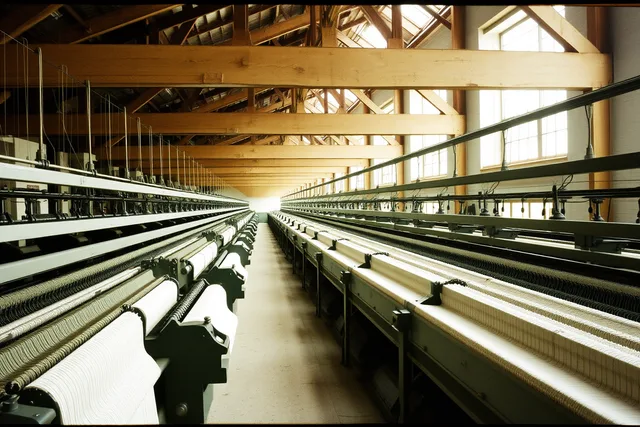
Lowell National Historical Park in Massachusetts runs tours past working textile machinery. Noise, moving parts and the fallback path all matter there, so the six questions get used in full.
Preserved sites sit at a third point. Sloss Furnaces in Birmingham, Alabama has no live production, so its questions turn to structural safety, weather and group flow. The guide to Alabama's industrial heritage sites covers what else is worth the drive.
Questions for a pilot group
- What did you expect before you arrived?
- Where did you need more direction or more time?
- Which stop was hardest to see or hear?
- What should the next visitor know before booking?
- What happened when the route changed or paused?
Ask for a specific example. A comment that the tour was hard to follow could point to the map, the meeting point, the opening talk or a crowded corridor. The example tells the team what to test.
Review answers against the operating log
Place feedback beside arrival times, route version, group size and staffing records. One comment is not a finding. The same condition appearing across several dates is.
If the site's own upkeep sits inside your decision, the factory visit maintenance plan comparison questions cover planned downtime before it lands on your date.
Ask how the fallback path was last tested, and on which date. An untested fallback is an assumption.
Unanswered questions need an owner and a date
An open question should not hold up a booking. It should carry a name and a date.
- Write the question in the exact words you will use again.
- Name the person who holds the answer.
- Set the date when the team will check again.
- Note the route version the answer applies to.
Keep a short question record
The record needs six fields:
- Question wording
- Date asked
- Route version
- Group type and size
- Person who answered
- Next review date
Note clearly when an invited pilot differs from a public Saturday. Comparing the two without that note produces a false reading, and the list of common factory visit mistakes is a useful cross-check on your own record.
Close the record with the next review date, before the group leaves the site.