Guides
How to pick an industrial tour format before you book
Compare guided, self-guided, coach and timed industrial tour formats against one site's real conditions before you commit a group to a route.
What to take away
- Five formats run at industrial sitesguided walk, self-guided, coach, timed entry and viewing gallery.
- Score each format against the same conditionsroute width, dwell time, hearing distance and escort ratio.
- A format that fails one condition fails that site, however well it reads in a brochure.
- Give every finding one outcomekeep, test a limited change, or remove.
- Write the reason, the owner and the review date beside each outcome.
The five formats, and what each one needs
Guided walk. One interpreter leads the group from stop to stop, and the site keeps the clock.
Self-guided. Visitors move at their own pace and read panels or listen to audio. It needs a route that works without a staff member at every turn.
Coach. The group stays seated and views from a vehicle or a set-down loop. It needs turning space and somewhere to park.
Timed entry. Visitors book a slot with a hard start. It suits floors that cannot hold a queue.
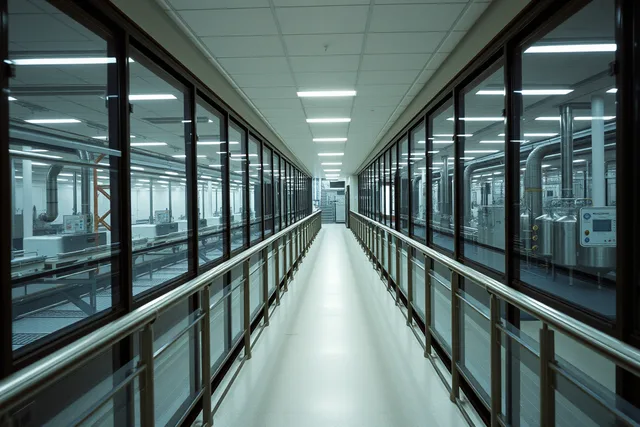
Viewing gallery. Visitors watch production from a mezzanine or a window line and never enter the work area.
Tour Formats: Strength vs Failure
Format
- Guided walking
- Interpretation at equipment
- Self-guided
- Visitors set pace
- Coach-based
- Reaches dispersed buildings
- Private charter
- Flexible timing
- Timed entry
- Controls crowding
Strength
- Guided walking
- Route too narrow
- Self-guided
- No staffed questions
- Coach-based
- Stops too short
- Private charter
- No spare escort
- Timed entry
- Shutdown window clash
Fails when
- Guided walking
- Self-guided
- Coach-based
- Private charter
- Timed entry
Every site can host more than one of these. Where they differ in cost and in the group size they carry, the five format cost comparison sets the numbers side by side.
Score each format on the same conditions
Hold the site constant and change only the format. Score with the site's own numbers, not a claim printed in a brochure. The figures below are typical ranges for a first draft sheet, not measured site data.
Hearing distance kills more guided walks than any other condition. A press line or a conveyor drowns a normal speaking voice, and many plants refuse amplification.
| Condition | What you measure | Typical range for a scoring sheet |
|---|---|---|
| Route width | clear width at the tightest point of the visitor path | about 900 mm (36 in) |
| Dwell time | minutes at a stop before the next group is due | 6 to 8 minutes |
| Hearing distance | guide's speaking position to the last listener | up to 5 m (16 ft) without amplification |
| Escort ratio | visitors per escort | 15 to 1 for adults, tighter with children |
| Exit path | route out of each stop if the normal plan changes | clear and unobstructed in covered workplaces |
Ask the exit question during the trial. If the normal route or timetable changed at this stop, where would the group go?
The pre-departure route check produces most of these numbers before your first group arrives.
The keep, test, remove rule
Every finding gets one outcome at the review meeting.
- Keep.The format met the condition. No change, and the evidence goes in the log.
- Test.One condition failed and a small change might fix it. Name the change, the owner and the review date.
- Remove.The format failed a condition the site cannot change, such as route width or escort availability.
Removal is a result, not a failure. A coach format dropped at a site with no turning space frees budget for a format that works.
Write the reason beside the outcome.
Removed: back of the group could not hear at the press line, amplification not permitted.
That line is usable next season. "Coach tour felt rushed" is not.
Match the format to the site type
A working plant runs on production time. Timed entry and viewing gallery formats usually win there, because neither asks the floor to stop.
At Hershey the public experience is Chocolate World, a visitor center. The working factory is not open for tours, so the site decides the format for you.
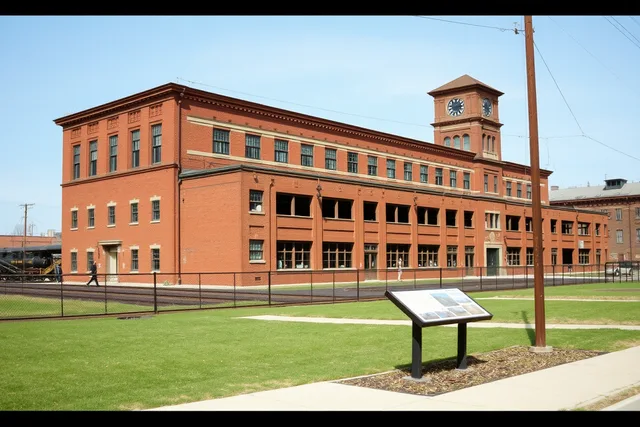
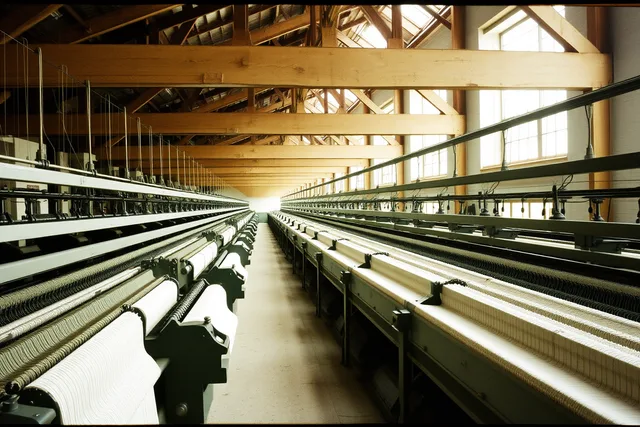
A preserved site with operated machinery is the opposite case. The machines are the exhibit, so a guided walk or a self-guided route earns its keep. Lowell National Historical Park runs working textile mill exhibits and tours, set out on its history pages.
Furnace, mine and ore sites often run guided walks only. The Alabama industrial heritage guide shows how much variety sits inside one state.
Large producers sometimes split the two. The Royal Canadian Mint compares its Winnipeg production facility tour with the Ottawa boutique mint, and each site needs a different format.
From trial to decision
Log the date, the format, the route version, the group type, the escort ratio and the exact wording of each question. Keep that wording identical across trials, or the answers will not compare. Do not merge answers from a public tour and a private charter without noting the difference.
If the same condition repeats across trials, test the smallest change that could fix it. If it appears once, log it and move on. One strong comment should not become a broad conclusion.
Close each review with one written decision: what changes, who owns the test, and when the result gets read. The visitor arrival notes guide turns a finding into wording that guests will follow.
Common questions
Can one format be scored on another format's conditions?
No. Conditions belong to the site, so every format faces the same list. That is what makes the comparison mean anything.
Who signs off on a format change?
The operator and the site authority, for anything touching access, staffing or visitor information. The site safety officer owns safety rules.
Does a good pilot replace a route test?
No. A pilot shows what visitors experienced. A route test shows whether the operation can run at all, at the group size you plan to bring.
When should I stop testing and book?
When every condition passes, or when the failures sit in conditions the site cannot change. Book the format that passed and log the rest for next season.