Guides
Factory tours regional adaptation scope checklist: how to plan 2027 routes
Factory tour regional planning checklist for 2027 helps U.S. visitors adapt a public industrial itinerary to local access, season, distance, and heritage context.
What to take away
- Adapt the route to the region's industry, not to the state line. A mill corridor, a steel district and a mint city each need a different day.
- Confirm each stop on the operator's own page, and write the date you checked it beside the entry.
- Budget real driving time rather than map distance, then add a parking and entry buffer.
- Give every stop a price line before you book, because admission varies more than travel does.
- Put one backup stop in the same town as your anchor.
Regional factors that decide a 2027 route
A region answers the question your group brought. Waterpower, steel, textiles, extraction, rail and currency each leave a different kind of public site behind. The industry type also sets how far apart the stops sit.
A preserved furnace is a half day. A canal corridor with four towns is three days and a vehicle. That gap decides whether you plan alone or hire help; the questions to ask are set out in how to pick an industrial heritage travel provider for 2027 groups.
| Region type | Named anchor | Public program to verify | Typical season |
|---|---|---|---|
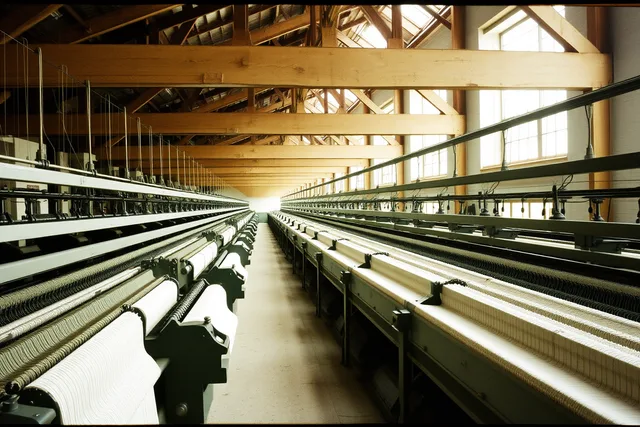
| Textile mill corridor | Lowell National Historical Park, Massachusetts | Visitor center, loom exhibits, canal boat, trolley | Grounds year round; boat and trolley spring to fall |
| Iron and steel district | Sloss Furnaces, Birmingham, Alabama | Preserved furnace grounds, city-run programming | Check the site calendar for heat and event days |
| Mint and currency | Royal Canadian Mint, Winnipeg | Guided production floor tours | Weekday production slots fill first |
| Mine and mill | Britannia Mine Museum, British Columbia | Underground train and tunnel tour, timed entry | Summer peak, quieter shoulder season |
Every row needs its own confirmation. The Royal Canadian Mint publishes a direct comparison of its Winnipeg production floor tours and its Ottawa boutique mint, the kind of operator page to cite instead of a tourism roundup.
Lowell National Historical Park works the same way. It runs a visitor center, a working loom exhibit, a canal boat and a trolley as separate programs with separate schedules.
The regional scope checklist
Work the seven steps in order. Each one produces a line you can hand to a driver or a group leader.
2027 Regional Planning Checklist
- State the industrial theme
- Identify public anchor
- Check season and distance
- Name public boundary
- Pick primary and complementary experiences
- Confirm access, cost, schedule, accommodations
- Prepare local backup
- Write the industrial question in one sentencewaterpower, steel, textiles, extraction, rail, currency or current manufacturing.
- Choose one anchor that publishes its own calendar. A park page or a city site page qualifies. A county heritage map does not.
- Verify the program, not the site. Museum hours, boat times and grounds access are three separate listings, and the single site planning workflow shows how to record each one.
- Measure the drive at the hour you will travel it, then add a buffer of about 20 minutes for parking and group entry.
- Write the public boundary for each stopwhich entrance, which gate, which area is closed to visitors.
- Give every stop a price line for admission, guide fee and parking.
- Add one backup stop in the same town that runs indoors.
Example: three days in the Merrimack Valley
Day one sits in Lowell, Massachusetts. The visitor center orients the group, the Boott Cotton Mills Museum shows looms running, and a canal boat adds the waterpower story. Grounds are free, and the museum and boat charge modest fees, typically under 15 dollars per adult.
Day two moves east to Lawrence, roughly 12 miles from Lowell. That drive takes 20 minutes early and closer to 40 in the afternoon. Lawrence Heritage State Park covers the 1912 strike, so the day answers a labor question rather than a machinery question.
Day three stays in Lowell or adds one mill town west. Boston is 30 miles away and needs its own day.
A heritage area designation is a boundary on a map. It is not a ticket, a schedule, or a promise that a gate opens.
Alabama runs the same shape around Birmingham, where Sloss Furnaces anchors an iron and steel day. The stops that fit around it are mapped in a guide to Alabama's industrial heritage sites if you want a second worked region.
Verify access before you promise a tour
Hershey's Chocolate World in Pennsylvania is the useful warning. The visitor center and its attractions sit beside the plant, and the working factory is not open for public tours. Marketing pages blur that line, so check four things:
- Does the operator's own page list the program with a date and a price?
- Does the tour enter a production floor or a building next door?
- Does the page name a booking window or a walk-in policy?
- Was the page updated for this season, and does it still list the same times?
Cost, distance and capacity limits
Expect wide bands. Heritage site admission commonly runs from free to about 25 dollars per adult, and guided industrial or underground tours commonly fall between 15 and 40 dollars, or the Canadian equivalent.
Group bookings at working plants and mines are often opened three to six months ahead, so a 2027 date planned in autumn 2026 is early rather than late. Weigh those lines against the cost map and capacity notes before you commit a bus.
What changes for 2027
Two things move every year: the calendar each site publishes and the price it charges. The rest of this method holds.
No checklist can name a 2027 reopening, a new tour time or a fare change before the operator announces it. Set a review date 60 days before departure and re-read every stop's own page on that day.