Guides
Factory tours budgeting fundamentals: what to fund before 2027
Factory tour budgeting fundamentals for 2027 help U.S. operators scope visitor access, safety, staff time, accessibility, content, and review costs clearly.
What to take away
- Fund the safe visitor route and the paid guide hours first. Most other costs follow.
- Keep one-time launch work in a separate column from recurring per-tour work.
- Calendar-year U.S. operators draft 2027 budgets in autumn 2026. Route, insurance and access decisions happen before January.
- Plan with ranges. Typical U.S. planning ranges run near $1,500 to $6,000 for a wayfinding sign set and $3 to $25 per visitor PPE item.
The four cost blocks behind a factory tour
A factory tour budget is four blocks: route and access work, people, systems and supplies, and risk and compliance. Price them in that order. A shorter path needs fewer signs, fewer hosts and less supervision.
Labor and construction rates swing widely by state and city. That is why factory tour budget notes for U.S. sites are worth reading before you lock a figure.
| Tour model | Main cost pressure | Settle this first |
|---|---|---|
| Active-floor tour | Safety separation, production | Entry without changing production? |
| Viewing-route tour | Sightlines, interpretation, access | Understood without entering? |
| Historic industrial site | Preservation, path condition | Which features can be shown safely? |
| Demonstration tour | Staff skill, equipment reset | What must be prepared per group? |
| Hybrid or virtual tour | Filming, moderation, digital access | What works better on screen? |
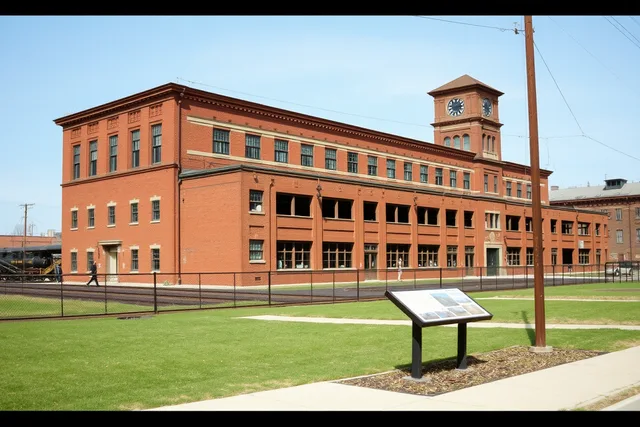
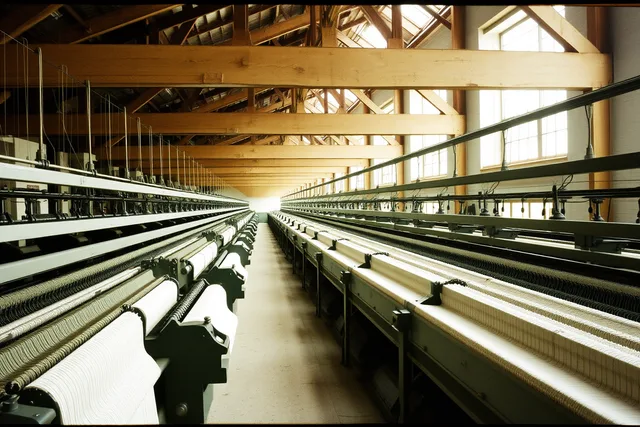
Lowell National Historical Park runs working textile machinery on a defined visitor route. That is the pattern most old mill buildings can copy.
[figure 1]
Five factory tour models
Tour model
- Active-floor tour
- Safety separation
- Viewing-route tour
- Sightlines and access
- Historic site tour
- Preservation and route
- Demonstration tour
- Staff and equipment prep
- Hybrid or virtual
- Filming and digital access
Cost pressure
- Active-floor tour
- Which areas stay open?
- Viewing-route tour
- What shows from outside?
- Historic site tour
- What is safe to show?
- Demonstration tour
- What must be reset?
- Hybrid or virtual
- What suits the screen?
First question
- Active-floor tour
- Viewing-route tour
- Historic site tour
- Demonstration tour
- Hybrid or virtual
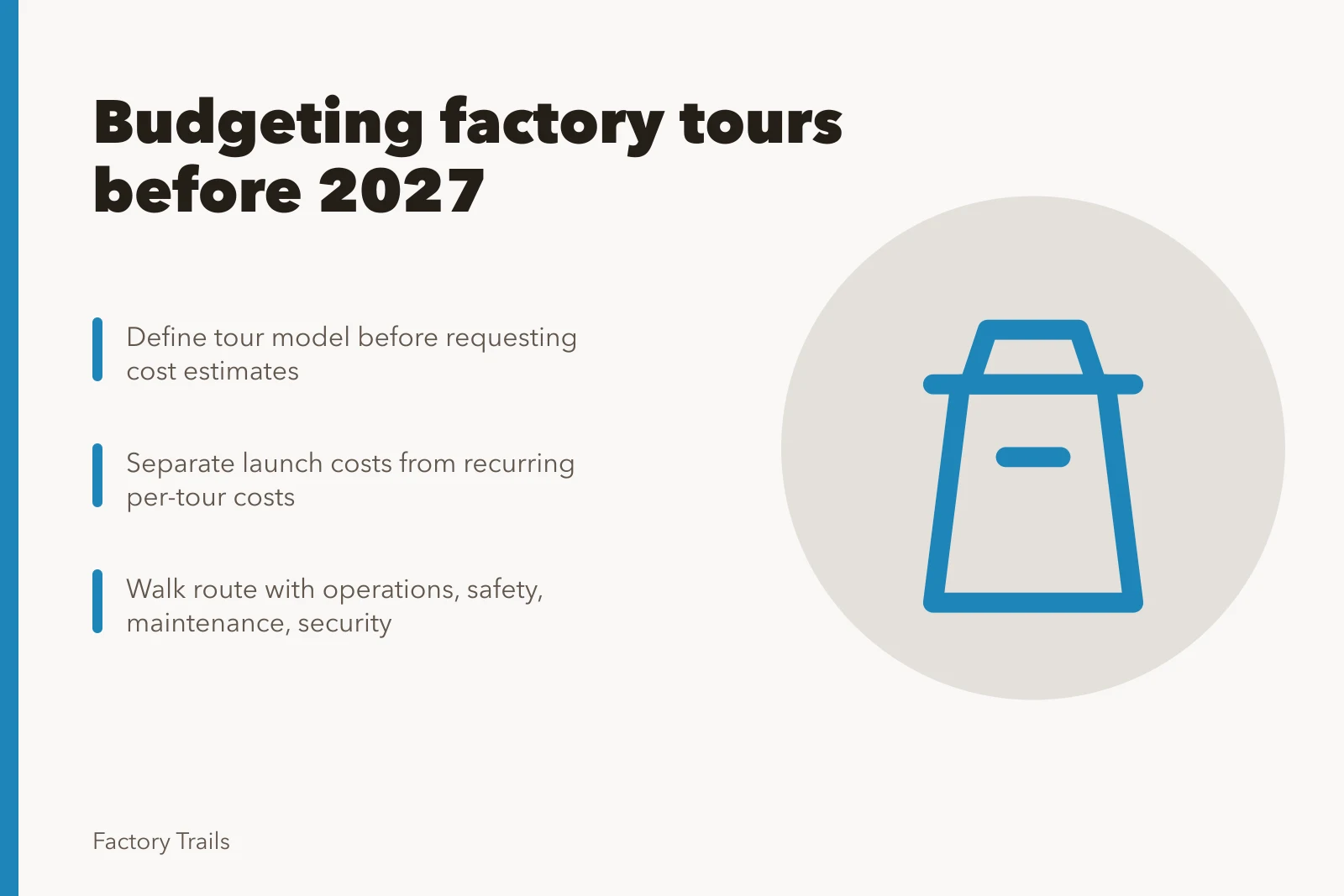
Launch costs separate from recurring costs
Two columns keep the estimate honest. One funds work that happens once. The other funds what every season consumes.
Launch work, funded once / Recurring work, funded each season
- Route assessment and visitor-flow plan
- Guide pay or assigned staff time
- Safety, insurance and security review
- Reservations, check-in, reminders
- Signs, barriers, PPE and audio devices
- Supplies and sign maintenance
- Training script, accessibility review, drill
- Refresher training and supervision
- Website page, ticketing setup, photography
- Ticketing fees and content updates
Never hide staff time because a current employee leads the tours. Record the role, hours per tour, preparation and reset. A structured provider budget build shows how reviewers test those numbers.
[figure 2]
Launch versus recurring costs
Launch work
- Route and flow
- Assessment and planning
- Safety and legal
- Insurance and security review
- Visitor equipment
- Signs, barriers, PPE, audio
- Content and access
- Script and accessibility review
- Public setup
- Website, ticketing, photos
Recurring work
- Route and flow
- Guide pay and staff time
- Safety and legal
- Ongoing training and incidents
- Visitor equipment
- Replenishing supplies
- Content and access
- Updating website and fees
- Public setup
- Ticketing fees, customer service
Typical planning ranges for U.S. sites
Indicative planning ranges, not quotes. Confirm each line with a local vendor or your payroll data.
| Line item | Typical planning range | Note |
|---|---|---|
| Route assessment | 8 to 40 staff hours | operations, safety, maintenance, guide |
| Guide time | 2 to 4 paid hours per 60-minute tour | preparation and reset included |
| Pre-launch training | 4 to 16 paid hours per guide | PPE, boundaries, emergency steps |
| Wayfinding sign set | $1,500 to $6,000 | six to twelve locations |
| Reusable PPE | $3 to $25 per item | glasses, hearing protection, vest |
| Ticketing tool | $0 to $500 per month plus 2% to 6% per ticket | low-volume tiers |
| Accessibility assessment | $2,500 to $15,000 | review only, no construction |
Why 2027 sets the deadline, not the rules
No U.S. tour regulation changes on 1 January 2027. The calendar still matters. Calendar-year manufacturers draft 2027 numbers in autumn 2026. Many commercial insurance policies renew at the start of the year, and state wage adjustments land the same day.
Guide hours priced today may cost more in January. Capital accessibility work rarely clears one cycle, so a ramp or restroom change belongs in the 2026 submission. Summer 2027 hiring lands in spring.
Fund access and safety before the ticket price
The U.S. Access Board's guide to using the ADA standards explains how the standards apply to covered public accommodations. It is a reference, not a site-specific determination. Budget assessment time, check-in counter changes, seating and alternate interpretation.
OSHA's general PPE requirements under 1910.132 explain when employers must supply protective equipment. A signed disclaimer is not a safety plan. The interpretation and safety checklist used at other industrial sites shows how arrival information stays current, and it transfers to a plant gate.
Give every stop its own card:
- Stop name and what visitors see
- Hazard at the stop and the separation used
- PPE required and where it is stored
- Who speaks, and for how long
- Closure trigger and the backup stop
The guide needs authority to shorten, move or cancel a tour. Guest messages need funding too.
Example: a viewing-route tour for twelve visitors
A 40-minute viewing-route tour twice a week for twelve visitors. Guide time is 2.5 paid hours per tour, including preparation and reset. Twelve interior signs and one painted floor line. Thirty pairs of reusable safety glasses. Two staff trained at eight hours each. A reservation page on existing software.
Launch items appear once. Guide hours, glasses and ticket fees repeat.
Keep the working papers together. The GAO cost estimating guide treats documented assumptions, supporting data and updates as marks of a credible estimate.
A pilot gives you that evidence at your own scale, and the working factory visits guide covers what the visitor promise must state before launch.