Guides
Working factory visits checklist: what to confirm before the group arrives
Confirm what a first-time visitor must know before a working factory tour: entry point, timing, group details, host briefing and the fallback stop.
This checklist covers the hours before a group walks in. It does not replace the plant's safety, maintenance or emergency procedures, and it does not cover route upkeep through the season.
What to take away
- Read the guest confirmation as a first-time visitor would, then fix what it fails to answer.
- Write the arrival message around four factswhere to enter, when to arrive, what to bring, whom to call.
- Name one host and one backup, each holding a contact who can confirm a route change.
- Agree the fallback stop before the group arrives, not while it waits at a closed gate.
- File the dated checklist with the message that went out, so the record shows what guests were told.
Confirm the purpose and the format
Start with the single outcome the visit must deliver. Ask whether the approved route still supports it, and whether the fallback does.
The National Park Service interpretive-planning program plans around visitors and intended outcomes. That is not a factory standard. It is a way to stop a route change from turning into an empty substitute.
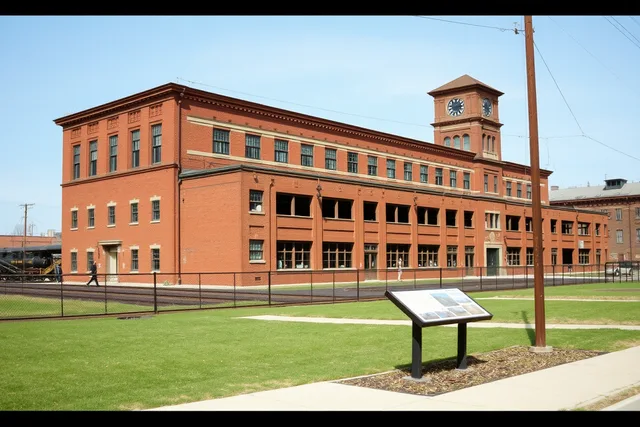
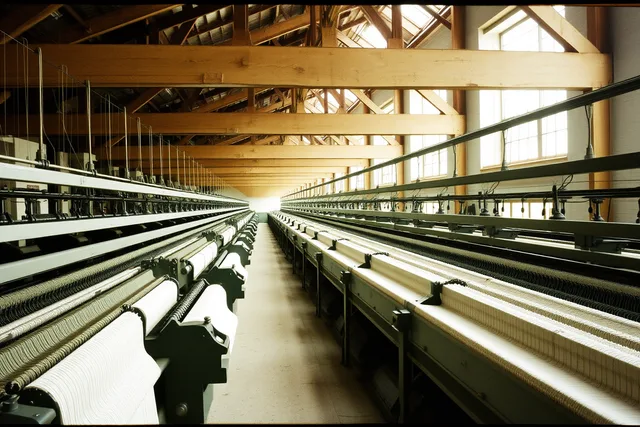
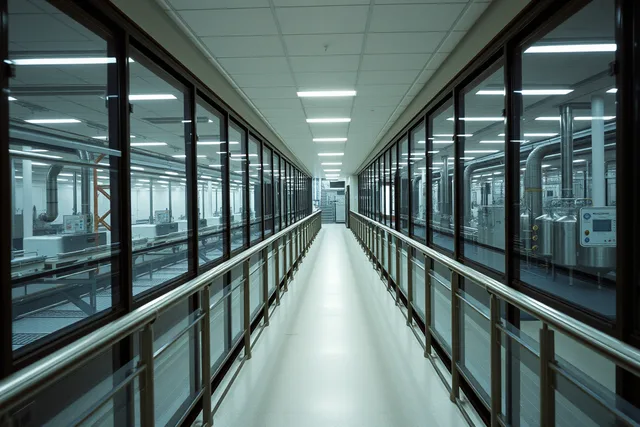
A preserved site and a working plant rarely deliver the same visit. A live line gives noise, heat and motion. A preserved twin gives a clean floor and a clear view of the machine. Say which one the group is booking.
Read the guest message first
Open the confirmation and read it cold. If it does not answer where to enter, when to arrive, what to bring and whom to contact, rewrite it before the next group sees it.
Ask the host to compare the message with the session brief. Where the two disagree, use the current approved information and tell the program owner. Conflicting directions are cheapest to catch before anyone is on site.
The Department of Justice effective-communication guidance ties the right approach to the nature, length, complexity and context of the communication. It is not an access determination. It does support checking that the confirmation, the briefing and the fallback all carry the essential details, and that a guest has a route to ask a specific question.
The pre-arrival check
| Check | Pass condition |
|---|---|
| Arrival message | Entry point, time, requirements and a late-arrival contact are current. |
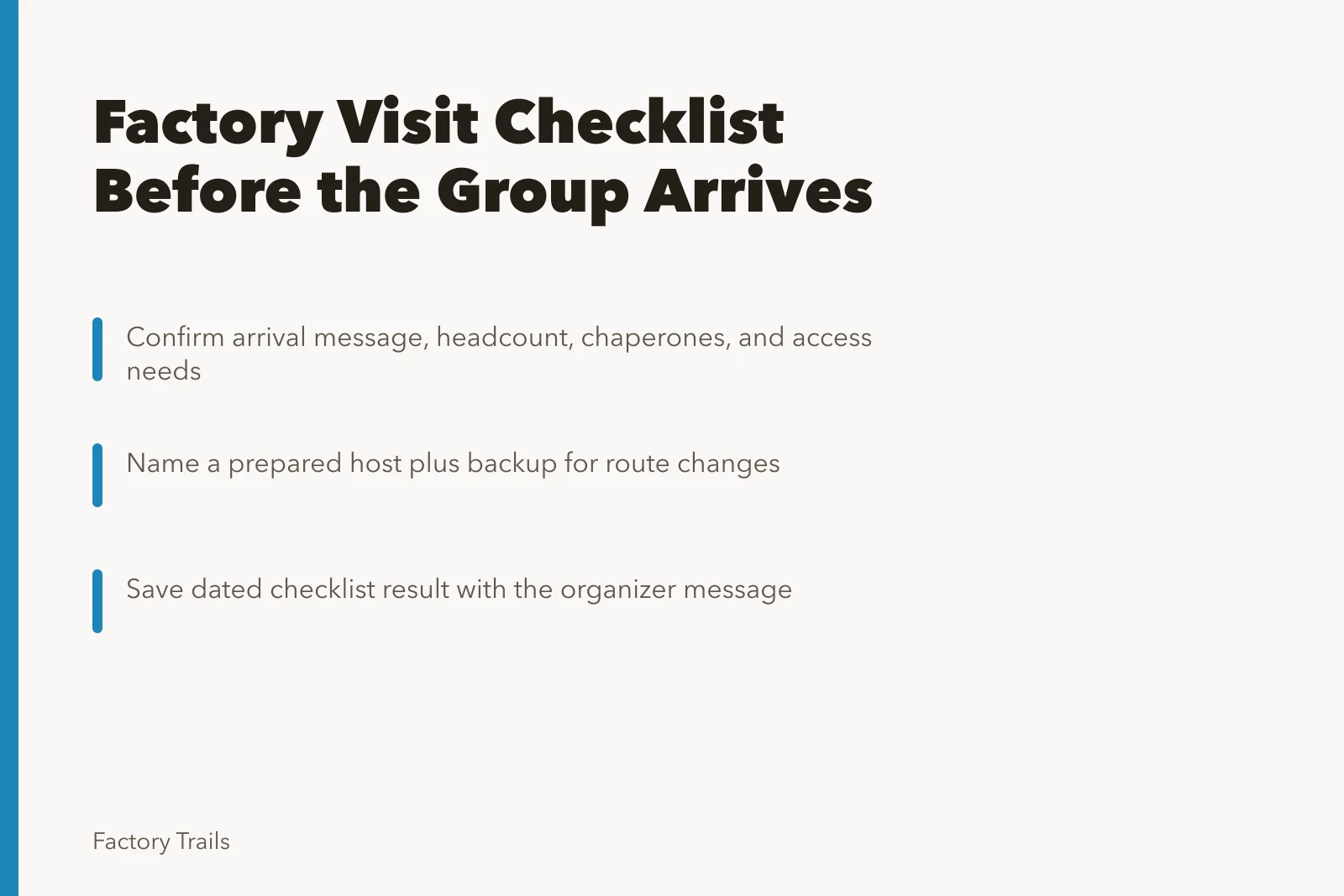
| Group details | Headcount, chaperones and disclosed access needs are known. |
| Route | The responsible site role confirmed the visitor path for this session. |
| Host | A prepared host and a backup contact are available. |
| Briefing | Current visitor instructions, restrictions and the questions path are ready. |
| Alternative | The host knows the approved fallback if a normal stop closes. |
| Record | A simple form exists for a route change or an open follow-up. |
OSHA's safety-management road map notes that visitors can meet hazards at a worksite and that education and training support a working safety system. Pass on only what the site has approved, and make sure staff know who owns a changing condition.
Pre-Arrival Check
- Arrival messageentry, time, requirements, late contact
- Group detailsheadcount, chaperones, access needs
- Routeresponsible site role confirmed visitor path
- Hostprepared host and backup contact available
- Briefingvisitor instructions, restrictions, questions path
- Alternativehost knows approved fallback
- Recordform for route change or follow-up
What a first-time visitor needs
A guest arriving at an industrial site is reading for four things and nothing else: the gate, the clock, the kit, the phone number.
Entry points move. A contractor gate, a staff entrance and a visitor door can sit on three different roads, and a coach driver given the wrong one will not find the right one by circling. Put the entry point in the message as a named location, not a description.
Timing windows matter more at a working plant than at a museum. Shift change, a delivery slot or a rail movement can close a route for an hour. Give the arrival window and say what happens to a group that misses it.
State what to bring in the plant's own terms and point to the site's published visitor rules for the rest. Photography permissions, tripod bans, escort ratios and noise exposure are set by the site, not by the booking agent.
Keep the checklist result with the guest message
The National Archives web-records guidance explains that online content can document official business. Save the dated checklist result alongside the organizer message.
When the route or the arrival point changes, update both before the next group receives anything. The record should show what guests were told and who confirmed the change.
Before the group is admitted
Name the conditions that force a fresh review: a route change, a new group format, new arrival instructions, or a change in host coverage. Anything on that list means the checklist is run again, not amended.
At the final pass, read the list from the visitor's point of view. Confirm the arrival point, the time, the contact method and the actual format match the approval record. If an item is still uncertain, state the limitation plainly and use the approved decision path before anyone is admitted.
Common questions
Who completes the checklist?
The assigned host or program owner works through the visitor-readiness items. Anything touching the plant itself goes to the responsible site role, who owns the condition and the call on it.
What should pause a session?
Pause when the approved route, host coverage, necessary visitor information or change authority is missing. A group waiting at a barrier is not a reason to open a restricted area.
Does the checklist cover technical inspections?
No. Technical inspections stay inside the facility's controlled processes. The tour checklist reports a visible visitor effect and hands it to the right person.
How does this differ from route upkeep?
This covers one arrival. Route condition, visitor equipment, information upkeep and the review calendar belong to the season-long maintenance cycle, and the two records should not be merged.