Costs
Part of How to run a working factory visits case study method for 2027 teams
How to budget working factory visits case study work before 2027
Factory visit case study budget guide for 2027 helps U.S. teams plan evidence review, editing, permissions, accessibility, and factual publication checks.
What to take away
- A lean single-site factory-visit case study typically costs $9,000 to $14,000 in U.S. contract work.
- A full scope with travel, original photography and video typically runs $28,000 to $45,000.
- Both figures are planning ranges, not vendor quotes.
- Five lines carry the moneysource review, permitted interviews, editorial, approvals and accessible formats.
- No new federal rule lands in 2027. The year matters because rate cards and plant tour calendars close in late 2026.
Where the five cost lines land
Price this as documentation work. You pay to verify a claim and present it accurately, not to make an unprovable story persuasive.
| Cost line | Typical U.S. range | Main driver |
|---|---|---|
| Source review and claim ledger | $1,800 to $6,000 | Record volume, follow-up requests |
| Permitted interviews | $600 to $1,500 each | Plant clearance, staff time |
| Editorial and fact revision | $85 to $150 per hour | Draft length, correction rounds |
| Internal approval time | $500 to $2,500 loaded | Number of named reviewers |
| Accessible formats | $600 to $3,000 | Captions, image descriptions, remediation |
Evidence-First Cost Lines
- Source reviewinventory and claim ledger
- Editorial workstructure, clarity, factual revision
- Approvalprogram and facility review time
- Accessibilityapproved format or communication support
- Mediapermission, source credit, licensed asset
Media licensing sits outside these lines at $0 to $500 per image, set by credit terms.
A scope written against that table is checkable. The 2027 scope checklist lists the decisions to settle before any price is credible.
Example: a two-facility budget for 2027
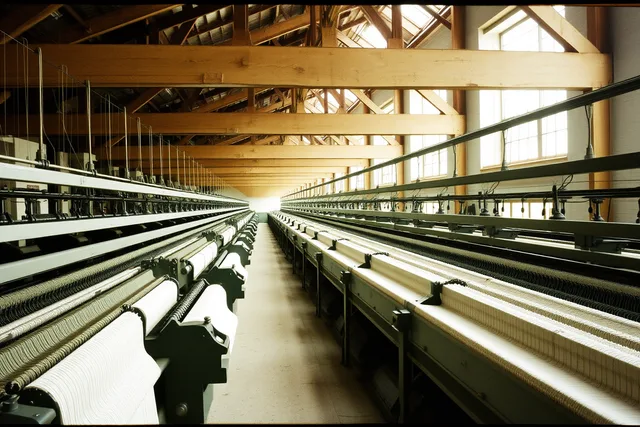
Suppose the case covers a heritage mill with a working weave room and an operating food plant on a public tour route. Both sites need interview clearance and one site day.
| Line | Lean | Full |
|---|---|---|
| Source review | $2,400 | $5,000 |
| Interviews, two | $1,800 | $3,000 |
| Editorial, 3,500 words | $3,200 | $6,500 |
| Approvals | $900 | $2,200 |
| Accessible formats | $900 | $2,600 |
| Travel and safety day | $0 | $2,400 |
| Original photo and video | $0 | $12,000 |
| Total | $9,200 | $33,700 |
Book the site day before signing the editorial contract. Tour calendars and safety inductions shape the whole schedule.
What actually changes for 2027
No federal rule singles out factory-visit case studies for 2027. Treat any claim of one with suspicion. The real driver is the planning cycle.
Contract editors, photographers and accessibility specialists typically publish next-year rates in the fourth quarter. Plant visitor programs commit tour dates in the same window. Approve scope in January and you buy leftover dates at rush rates.
Date pressure also differs by region. A cost map with capacity notes shows how scarcity and travel shift a total inside one planning year.
PPE is the other 2027 cost worth naming. OSHA's general protective equipment rule requires employers to supply gear where hazards exist. Budget safety glasses and footwear for every visitor who enters the plant floor.
Canadian sites add a second safety induction and sometimes bilingual editing. The Royal Canadian Mint runs production tours in Winnipeg and a smaller Ottawa operation, so two Canadian stops can mean two separate visitor processes.
Named sites and the evidence trail
Hershey's Chocolate World is a visitor center, and the working Hershey factory is not open for public tours. A case built there must say so plainly. Check the Chocolate World visitor center record before writing a scene set inside a plant.
Lowell National Historical Park shows the opposite case. Its working textile mill exhibits and tours let staff speak to processes on the record. Both sites suit a case study. Only one supports a claim about live production.
Booking mechanics often decide the budget. How to book a Britannia Mine Museum underground tour shows how far ahead one industrial tour can be reserved, which is the pattern most plant programs follow.
Lean scope or full scope: five decisions
- Write both scopes before you request prices.
- Fix the deliverableword count, image count, file formats.
- List what each scope excludes, in writing.
- Price approvals as hours from a named reviewer, not as goodwill.
- Re-price after evidence collection, once claims shift.
Step three is the one teams skip. Excluded work returns during editing and lands on the same budget. That is where a case study quietly grows past its approval.
Keep one running log for the project. Every cut claim, refused photo, new source request and scope change goes in with a date, a named owner and the cost effect. That single habit replaces three separate routines and gives next year's estimate a real baseline.
Read the mistake prevention fixes for the sign-off and handoff errors before you set next year's numbers.