Guides
How to budget factory tour safety across U.S. plants
Factory tour safety budget notes for U.S. sites in 2027 help teams fund inspections, route care, training, accessibility, supplies, and weather contingencies.
What to take away
- Budget safety as a routine operating cost, not an emergency exception.
- Fund the items that make a public route usableinspection time, repairs, staff coverage, and clear alternatives.
- Keep a small contingency for conditions that close or alter a tour without warning.
Give every safety cost a purpose
Safety budgets become easier to defend when they describe the public experience they protect. Instead of one vague line for maintenance, separate route inspection, barrier replacement, accessible alternatives, communications, training, and emergency readiness. The categories show what staff can do with the money and what has to wait.
Safety Budget Lines and Purposes
- Route carehandrails, surfaces, signs, barriers
- Staff coverageguide, backup, check-in, supervision
- Trainingroute walks, incident practice, refreshers
- Accessibilityseating, alternate routes, visitor materials
- Emergency readinessfirst-aid, radios, maps, drills
- Contingencyweather closures and unplanned repairs
| Budget line | What it supports | Planning question |
|---|---|---|
| Route care | Handrails, surfaces, signs, and barriers | What condition could close a tour first? |
| Staff coverage | A guide, backup, check-in, and demonstration supervision | Can the approved group size be monitored? |
| Training | Route walks, incident practice, and seasonal refreshers | Who needs training before opening day? |
| Accessibility | Seating, alternate route information, and usable visitor materials | Can a guest choose a safe, meaningful alternative? |
| Emergency readiness | First-aid supplies, radios, maps, and drill time | Can staff act without searching for basic information? |
| Contingency | Weather closures and unplanned repairs | What can wait so an urgent issue can be fixed? |
Spend before the season, not after the incident
The most useful expenditure is often the small one that prevents a closure: replacing a faded boundary sign, repairing a loose gate, testing a radio in the lowest part of the route, or paying staff to walk the site before the first school group arrives. It is harder to budget after a problem has become a cancellation or injury.
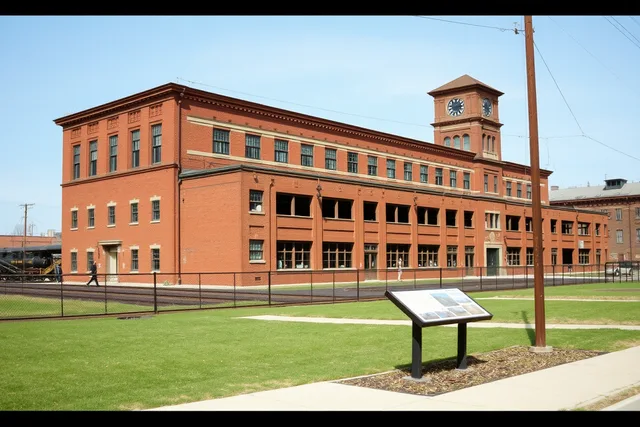
Old Slater Mill provides a practical example of an operating decision tied to conditions. The National Park Service notes that its tours may be modified or canceled above a stated heat index and that some areas remain closed while accessibility and safety work is underway. Its visitor guidance for Old Slater Mill shows why a safety budget needs room for alternate programming, not just physical repairs.
Build a simple annual forecast
Start with last season's incident log, closure notes, and maintenance requests. Mark what was recurring, what created delays, and what visitors needed help with. Then assign each item to one of three buckets:
- Required before opening:unresolved hazards, inspections, emergency supplies, and staff training.
- Required during the season:recurring checks, replacement signs, part-time coverage, and weather adjustments.
- Planned improvement:longer-term access work, durable barriers, route redesign, or interpretive alternatives.
Do not treat the third bucket as unimportant. It is how an organization avoids repeating the same temporary fix every season. Give every planned improvement an owner, target date, and a note about the visitor problem it solves.
Reserve a real contingency
Set aside an amount that can be used without waiting for the next budget cycle. The size depends on the site, but the rule is consistent: a broken handrail, storm damage, or failed communication device should not force staff to operate an unsafe route while waiting for approval.
Use the contingency only for conditions that affect public operation, then document what was spent and why. That record will make next year's request more credible because it connects money to a specific safe outcome.
When funding route work, define the physical condition first. The U.S. Access Board's floor and ground-surface guide says accessible surfaces must be stable, firm, and slip resistant. It gives a budget request a concrete condition to investigate, while local design and preservation advice determines the project.
Budget training and communication alongside equipment. OSHA's emergency action plan guidance covers reporting, evacuation procedures, and assigned duties. A new radio or barrier does not improve a response if the team has not practiced who makes the call.
At year end, compare each funded change with the condition it was meant to control. The Interagency Visitor Use Management Framework includes monitoring and adjustment after actions are implemented. That is a useful way to separate a completed purchase from a working safety improvement.
Common questions
What is the first safety cost to fund?
Fund the conditions that could prevent the site from opening safely: route inspection, critical repairs, staff coverage, and emergency communication.
Should accessibility be a separate budget line?
Yes. A distinct line makes alternate routes, seating, visitor materials, and necessary improvements visible instead of leaving them as unfunded intentions.
How can a small site justify a contingency?
Show the cost of a canceled program, rushed repair, or reduced capacity from the prior season. A modest reserve helps staff respond before a condition grows worse.