Guides
How to compare working factory visit options before you commit
Compare working factory visit options with a readiness checklist, a version date on every guest message, and a fallback that still tells the plant's story.
Compare formats on readiness, not on ambition. This checklist does not authorize entry to an operating area and does not replace the facility's own visitor rules.
What to take away
- Name the visitor outcome first, then pick the format that delivers it.
- Score each option against six readiness checks before you announce it.
- Put a version date on the invitation and the host brief, and correct both together.
- Keep a fallback that still tells the approved story if the route closes.
- Ask the plant's safety officer, not this page, about induction and PPE.
Score each option against six checks
Check / Ready when
- Visitor outcome
- The group leaves with one stated understanding.
- Format
- The option is named accurately: route, observation, hosted talk, or media.
- Approval
- A named facility role confirms the visitor conditions.
- Group fit
- Cap, duration, organizer role, and host coverage are fixed.
- Guest message
- Invitation, arrival details, and restrictions match the host brief.
- Fallback
- An approved alternative is identified and described truthfully.
An option that fails one check is not disqualified. It is unfinished, and the check tells you which conversation to have next.
Six readiness checks for factory visits
- Visitor outcomeone stated understanding
- Formatroute, observation, hosted talk, media
- Approvalnamed facility role confirms conditions
- Group fitcap, duration, organizer, host fixed
- Guest messageinvitation, arrival, restrictions match brief
- Fallbackapproved alternative identified and described
Date the guest message and the host brief
Both documents carry the same version date. When a route, a shift pattern or a staffing level changes, the program owner can see which wording an organizer already received and issue one clear correction.
Without that date, a host explains an outdated promise at check-in, in front of the group. The National Archives records-management profile guidance treats records responsibility as ordinary management, not as an archive project. A two-line decision file does the same job here: option compared, who approved it, what the guest was told, what triggers a review.
Separate the working plant from its preserved twin
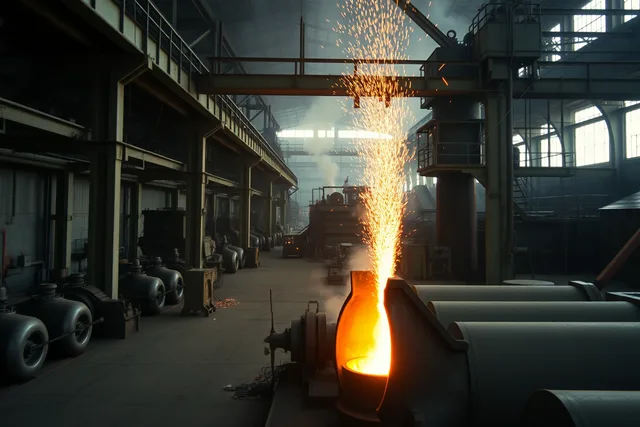
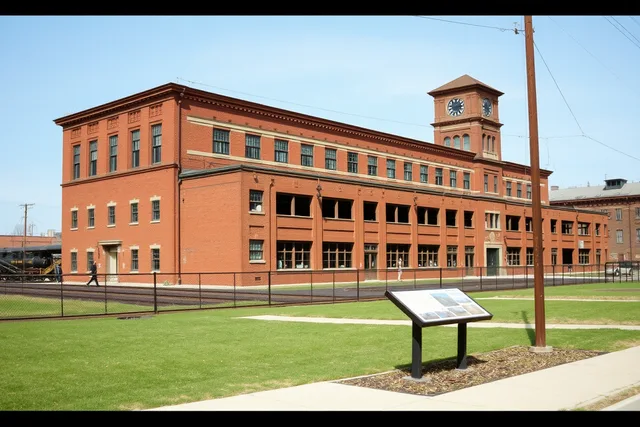
A running line and a preserved site are different products. A working plant gives you noise, heat, movement and a route that can close without notice. A preserved site such as Sloss Furnaces in Birmingham or Pullman National Monument in Chicago gives you a stable route, interpretation and a fixed program you can book months out.
Neither is better. They answer different visitor outcomes, and a group that wanted one will be disappointed by the other. Say which one you are selling.
Match the format to the visitor job
The National Park Service interpretive-planning program compares exhibits, videos, websites, live programs, events and publications against a stated visitor outcome. Use the same discipline without copying a park plan: outcome, approved setting, format, and the evidence behind the choice.
The Smithsonian accessible exhibition design guidelines ask how visitors receive the essential information. That is a selection question, not a factory requirement. If the central story only arrives on a route some guests cannot walk, the format is wrong, not the guest.
Check how the information reaches people
The U.S. Access Board's information and communication technology guidance covers accessibility standards for covered technology. It does not choose a visitor format. It is a prompt to check how essential information will be available in whatever format you plan to use, and to route individual requests through the responsible process.
Plan around the shutdown calendar
Maintenance windows decide what a group can see. A plant shut for July or December maintenance is a different visit from one running at full rate, and booking against the wrong calendar is the most common way a working-plant tour fails.
Confirm the window with the operator before you publish a date, and read best seasons to plan a factory tour before you set one.
Worked example: a failed host brief
A coordinator publishes an invitation promising a walk along a packaging line. The host brief, written a month earlier, describes a mezzanine observation point because the line route was closed for maintenance.
The group arrives expecting the floor. The host delivers the mezzanine talk. Both documents were accurate on the day they were written, and neither carried a version date, so nobody caught the split.
The fix costs one line: the version date, plus a review trigger tied to the maintenance calendar. The invitation and the brief are corrected together, and the fallback is described in the invitation rather than improvised at check-in.
Common questions
What makes a good fallback?
One that still delivers the program's main story, such as an observation point or a host-led talk. If the fallback tells a different story, it is a different program and should be sold as one.
Can a hosted talk be the primary format?
Yes. Describe it honestly and state the learning purpose. Do not market it as an on-floor route if guests never reach the floor.
When should the checklist be repeated?
After any change to the route, the program, staffing, access information or the guest message. Tie the repeat to the maintenance calendar so it happens before the season, not during it.
Who confirms safety and access requirements?
The plant's own safety officer and its published visitor rules. Induction, PPE and machinery proximity vary by site and by jurisdiction, and no outside page can set them for you.