Maintenance
Part of Working factory visits compared mainly on whether a company trains its own staff
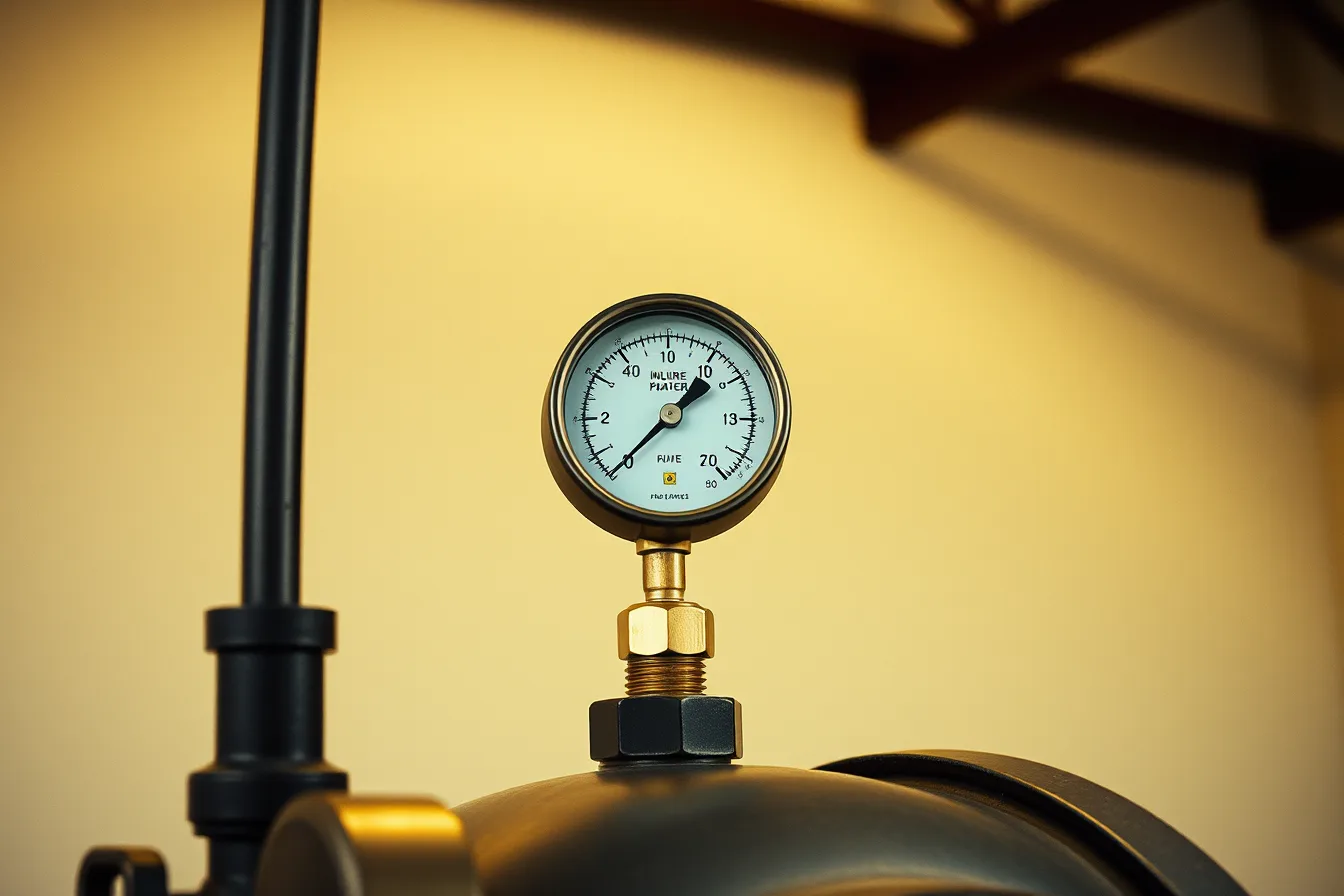
Measurement gauges hide in plain sight on working factory visits
What first-time visitors miss about working factory visits: measurement is everywhere on a modern plant floor and almost invisible. Find the gauges.
What to take away
- Look for the measuring. Gauges, check stations and charts run the plant more than the big machines do.
- Maintenance is the invisible half. Ask when each machine was last down and why.
- Read the boards. What a plant displays on its floor tells you what it actually cares about.
- Notice the escape routes and the emergency equipment. Their condition is a summary of the whole operation.
The first working plant visit is a wall of noise and movement, and visitors latch onto the biggest machine. Everything that actually runs the place is quieter than that.
Find the measurement
Modern manufacturing is a measurement activity with machinery attached.
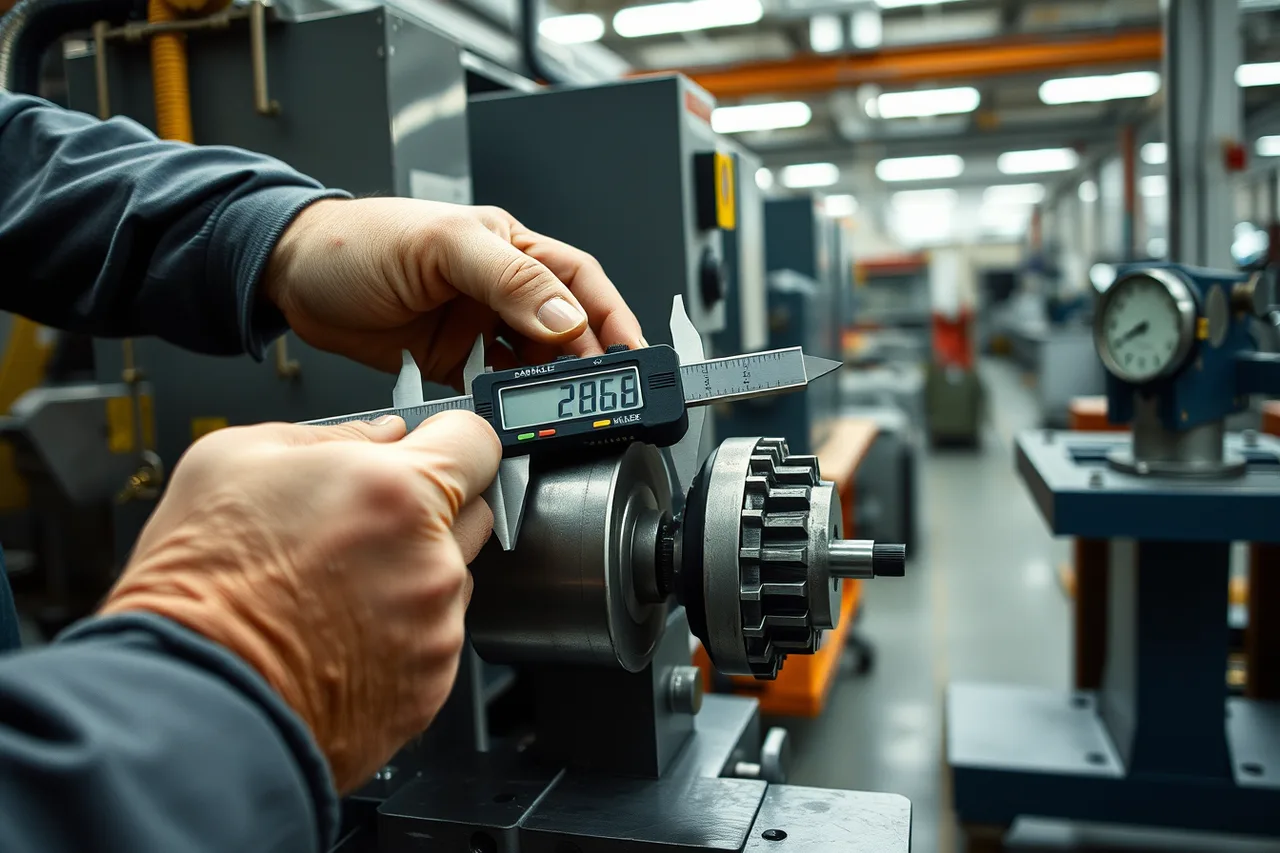
Every process is checked against a standard, and those standards trace back through a chain of calibration. The National Institute of Standards and Technology's Physical Measurement Laboratory exists to maintain the measurement base that all of this rests on, which is why the humble gauge in the corner of a plant floor is connected to a national system.
On the floor, look for check stations, gauges, sample benches, test rigs and anybody holding a caliper. Ask what they are measuring, how often, and what happens when a reading is out of range. That question opens the most interesting conversation available on any plant tour.
The standards behind the product
Most of what a plant makes has to conform to something written down elsewhere: a trade standard, a customer specification, a regulation.
Ask which standards apply to this product. The answer explains half the equipment you have just walked past, and it is the reason the check station exists at all.
Maintenance is the invisible half
Visitors see production. The plant's real calendar is maintenance: planned shutdowns, changeovers, part replacements, the machine that always fails in humid weather.
Ask when each machine was last down, what for, and how long it took. You will learn more about the operation from that than from watching it run.
Read the boards
Nearly every plant displays something on the floor: output against target, days since an injury, quality metrics, shift notes, a problem log.
Whatever is on those boards is what the plant manages by. It is the most honest statement of priorities in the building and nobody bothers to hide it.
The safety details that summarize everything
Look at the eyewash stations, the extinguishers, the marked exits, the assembly points, the emergency stops.
Are they clear, unblocked, in date and obviously used? A plant that keeps its emergency provision in order keeps the rest in order too. The framework behind that provision is set out in the Occupational Safety and Health Administration's emergency preparedness guidance, and its visible condition is the fastest read on any operation.
What visitors consistently overlook
What visitors overlook
- Where material waits between operations, and how much of it there is
- The changeoverwhat happens when the product switches
- Where scrap goes and how much of it there is
- The oldest machine on the floor, and why it is still there
- How many people are on the floor compared with how large it is
Questions worth asking
What limits output? What breaks most often? What is the oldest machine here? What would you change if you could?
The rubric for judging plants before you visit is in comparing working factory visits, and the two-plant pairing in the two-day itinerary is what makes these observations comparable.